

Sulawesi White Socks| Back in stock Soon
Sulawesi White Socks| Back in stock Soon
Low stock
Couldn't load pickup availability
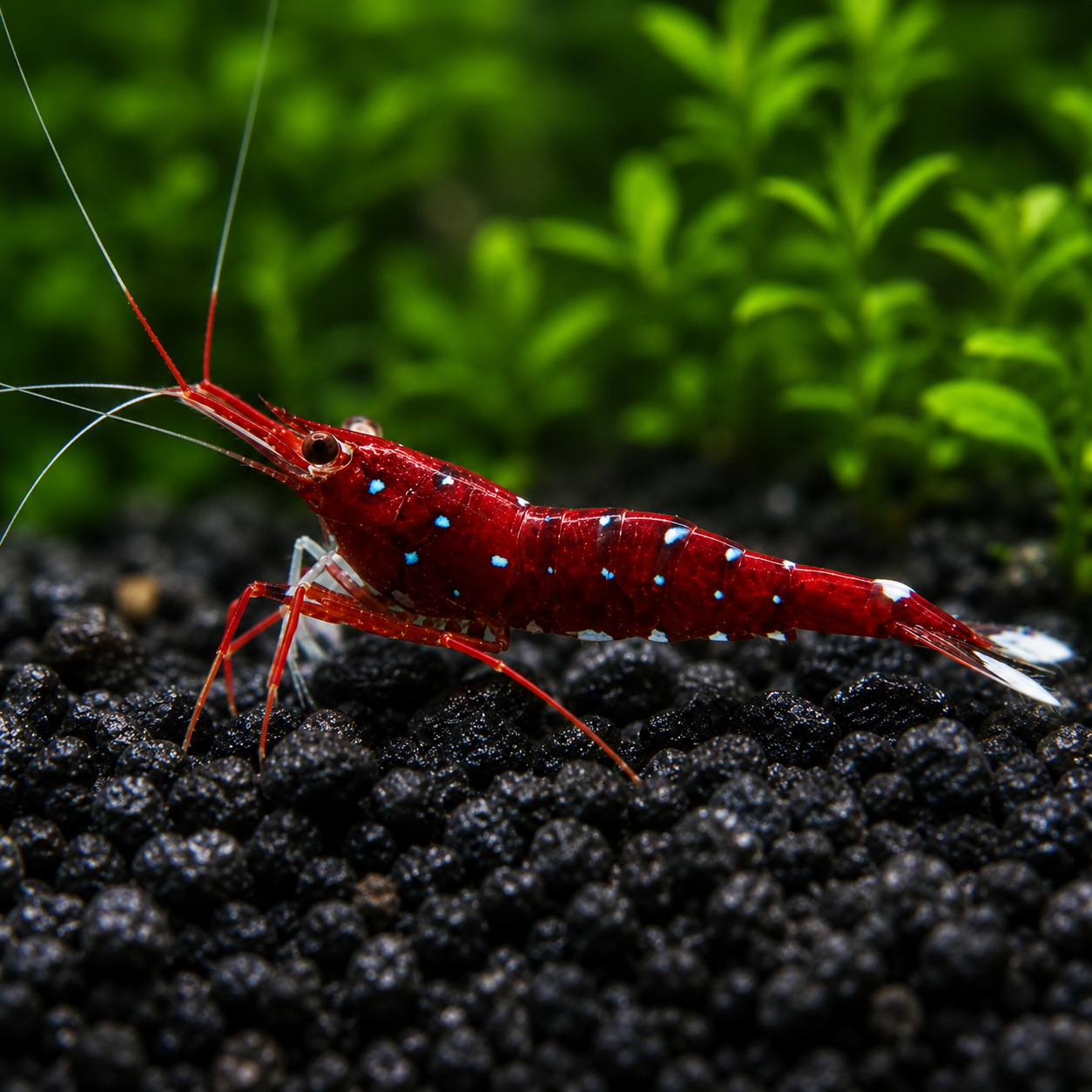
The Sulawesi White Socks Shrimp (Caridina dennerli "White Socks") is a stunning and highly sought-after ornamental freshwater shrimp, admired for its deep blue to black body contrasted by brilliant white legs or "socks." Native to the ancient lakes of Sulawesi, Indonesia, this unique shrimp is a prized addition to any shrimp enthusiast's collection.
Known for their peaceful nature and fascinating grazing behavior, White Socks Shrimp spend their days feeding on biofilm, algae, and microorganisms, making them both beautiful and beneficial inhabitants of a mature aquarium.
Our locally bred White Socks Shrimp are well acclimated and make an excellent choice for hobbyists looking for healthy, hardy shrimp raised in Australian conditions.
Key Features
- Rare and highly desirable Sulawesi shrimp
- Striking dark body with bright white legs
- Peaceful and active grazing behaviour
- Excellent for planted and specialty shrimp aquariums
- Constantly feeds on biofilm and algae
- Ideal for dedicated shrimp keepers
Care Requirements
Scientific Name: Caridina dennerli "White Socks"
Common Name: Sulawesi White Socks Shrimp
Origin: Sulawesi, Indonesia
Adult Size: 2–3 cm (0.8–1.2 inches)
Temperament: Peaceful
Difficulty Level: Moderate
Water Parameters
- pH: 7.0–8.0
- Temperature: 24–28°C (75–82°F)
- GH: 6–8 dGH
- KH: 2–6 dKH
- Tank Size: 20L (5 gallons) minimum
Stable water parameters are far more important than chasing exact numbers. Avoid sudden fluctuations in temperature or water chemistry.
Aquarium Setup
White Socks Shrimp thrive in aquariums that provide:
- Mature, fully cycled aquarium
- Sponge filter or shrimp-safe filtration
- Plenty of mosses and live plants
- Driftwood, rocks, and natural grazing surfaces
- Biofilm-rich environment
- Gentle water flow and excellent oxygenation
A well-established aquarium is strongly recommended before introducing shrimp.
Diet & Feeding
White Socks Shrimp are omnivorous grazers and enjoy:
- Premium shrimp pellets
- Biofilm and natural algae
- Algae wafers
- Blanched spinach, zucchini, or nettle leaves
- Indian Almond Leaves
- Alder Cones
- Occasional protein-rich shrimp foods
Avoid overfeeding to maintain excellent water quality.
Can White Socks Shrimp Live with Fish?
White Socks Shrimp are best kept with peaceful tank mates.
Suitable companions include:
- Pygmy Corydoras
- Otocinclus
- Chili Rasboras
- Ember Tetras
- Small snails such as Nerite Snails
- Other peaceful shrimp species with similar water requirements
Most fish will eat baby shrimp, so plenty of mosses and hiding places are recommended if breeding is desired.
Tank Mates to Avoid
Avoid keeping White Socks Shrimp with:
- Bettas
- Large Gouramis
- Cichlids
- Loaches
- Large Barbs
- Any predatory fish
Breeding
In stable, mature aquariums, White Socks Shrimp can breed successfully in freshwater. Females carry eggs beneath their abdomen until they hatch into miniature shrimp, with no larval stage.
A mature aquarium rich in biofilm and stable water conditions will greatly improve breeding success.
Why Choose Our White Socks Shrimp?
Unlike many imported Sulawesi shrimp, our White Socks Shrimp are proudly locally bred in Sydney, Australia. They have been raised over multiple generations in Sydney tap water, making them far better acclimated to local aquarium conditions than newly imported shrimp.
Our breeding colony has successfully adapted to water parameters similar to those used for Cherry Shrimp (Neocaridina), making these shrimp more forgiving and significantly increasing their chances of thriving in home aquariums.
More Information
How to Take Care The Shrimps
Taking care of Freshwater aquarium Shrimps (Neocaridina and Caridina) involves providing them with a suitable environment and proper attention to their specific needs. Here are some essential care guidelines:
1. Tank Setup:
- Shrimp are relatively small and can be kept in tanks as small as 5 gallons (19 liters), but a larger tank allows for more stable water conditions.
- Provide hiding spots with plants, driftwood, and rocks. Live plants like Java Moss and Java Fern are ideal as they serve as both hiding places and a food source.
2. Water Parameters:
For Neocaridinar (Cherry Shrimps)
- Temperature: 72-78°F (22-28°C)
- pH: 6.5-7.5
- GH (General Hardness): 6-10
- KH (Carbonate Hardness): 3-10
For Caridina (Taiwan bee, Crystal Shrimps)
- Temperature: 72-78°F (22-26°C)
- pH: 6.0-6.5
- GH (General Hardness): 3-5
- KH (Carbonate Hardness): 0-10
3. Filtration:
- Use a sponge filter such as Qanvee filter or a gentle flow filter to avoid strong currents that can stress shrimp.
4. Feeding:
- Shrimp are omnivores and feed on algae, biofilm, and commercial shrimp pellets.
- Supplement their diet with blanched vegetables like Mulberry leaves, spinach or zucchini.
- Offer a varied diet to ensure proper nutrition.
5. Water Changes:
- Perform regular water changes (10-20% weekly) to maintain water quality.
- Use dechlorinated water at the same temperature and parameters as the tank.
6. Molting:
- Provide a calcium source, such as our shrimp mineral products or crushed coral, cuttlebone, to support molting.
7. Tank Mates:
- Shrimp are generally peaceful but can be preyed upon by larger fish.
- Suitable tank mates include small, non-aggressive fish like guppies or endlers.
- Avoid aggressive or predatory species.
8. Breeding:
- Shrimp breed readily in captivity.
- Provide moss or other dense plant growth for shrimp to hide their eggs.
- Maintain stable water conditions to encourage breeding.
9. Health and Observation:
- Regularly observe your Shrimp for signs of stress, illness, or abnormal behavior.
- Quarantine new arrivals to prevent introducing diseases.
10. Patience:
- Shrimp keeping can be rewarding but requires patience. Allow your aquarium to mature and stabilize before adding shrimp.
By following these care guidelines, you can create a thriving environment for your Shrimp and enjoy their vibrant colors and fascinating behavior in your aquarium.
How to Acclimate New Shrimps & Fish
Acclimating new aquarium shrimp/fish is crucial to ensure a smooth transition and minimize stress. Follow these steps for proper acclimation:
Materials Needed:
- A container or bucket.
- An airline tube or a slow-drip system (optional).
- A net.
Procedure:
- Turn Off Lights: Dim the aquarium lights or turn them off completely to reduce stress on the shrimp/fish.
- Float the Bag: Place the sealed bag containing the shrimp on the surface of the aquarium water. This allows the water inside the bag to gradually adjust to the tank temperature.
- Drip Acclimation (Optional): If you have an airline tube or a slow-drip system, set it up to provide a gentle flow of water from the tank into the bag. This method is slower but provides a more gradual transition. Adjust the flow rate to about 2-4 drops per second.
- Monitor Temperature: Ensure the water temperature inside the bag matches the tank temperature after about 15-20 minutes. This step is essential to prevent temperature shock.
- Open Bag and Add Tank Water: Carefully open the bag without allowing shrimp to escape. Using a net or your hand, gently transfer the shrimp into a clean container or bucket. Be cautious not to introduce water from the bag into the container.
- Gradual Water Exchange: Over the course of about 30 minutes to an hour, gradually add small amounts of aquarium water to the container with the shrimp/fish. This helps the shrimp adjust to the tank's water parameters.
- Net Transfer: After acclimation, use a net to transfer the shrimp from the container into the main aquarium. Avoid adding any water from the acclimation container into the tank.
- Dispose of Bag Water: Safely dispose of the water from the bag. Do not release it into your aquarium, as it may contain contaminants or pathogens.
- Observe and Monitor: Keep an eye on the newly introduced shrimp/fish for the next few hours to ensure they adapt well to their new environment. Monitor their behavior and look for any signs of stress or illness.
Proper acclimation helps reduce the risk of shock and ensures a smoother transition for your new aquarium creatures. It's an essential step in ensuring their health and well-being in your tank.
Shipping & DOA Policy
- Concerned about purchasing livestock online? Rest assured, we ship shrimps and other livestock to every corner of NSW, VIC, QLD, and SA weekly, ensuring their safe and healthy arrival. Our Dead on Arrival (DOA) policy is applied to all orders, guaranteeing your peace of mind.
- Shrimps are carefully packed in a styrofoam box and shipped every Monday/Tuesday/Wednesday early morning to avoid weekend delays. Delivery times generally range from 1 to 3 business days depending on your location.
- To initiate DOA claims, we kindly ask buyers to contact our dedicated support team either via email at aushrimphome@gmail.com or directly through our website's chat feature. In order to expedite a swift resolution, which may involve resending a new package, issuing a refund, or providing credit for a future order, we kindly request that buyers submit a clear photo of the deceased shrimp(s) inside the unopened bag within a maximum of 1 HOUR from the moment of Australia Post delivery. Your timely communication is pivotal in enabling us to promptly address any concerns and uphold our unwavering commitment to ensuring your satisfaction.
Important Notes Before Buying
- Please note that our ornamental shrimps are small, with a maximum size of around 2cm. When purchasing, you'll typically receive juveniles or sub-adults measuring approximately 0.8-1.5cm, which may display less vibrant coloration than adults. However, rest assured that they originate from the same colony and offer excellent value for your investment.
- To ensure the well-being of your shrimp/fish upon arrival, please follow the tracking number and acclimate them by slowly adding tank water to their bag/container for about one hour. This gradual transition helps them adapt to new water parameters and temperatures.
- The images featured on our website showcase the exceptional individuals and actual shrimps/fish thriving at our facility. However, please keep in mind that as living organisms, we cannot guarantee that the shrimp/fish you purchase will be identical in color and size. Keep in mind that shipping stress may temporarily affect the shrimp's coloration, especially neocaridina species, which can become pale and translucent. However, their colors will return to their vibrant state within a few days under suitable water conditions.
- Our pricing is based on current stock levels and market rates in Australia. We regularly adjust our prices to provide our customers with the most competitive rates available.
- If you encounter any issues with the color or quality of the shrimp/fish, please don't hesitate to reach out. We are committed to assisting and resolving any concerns. Thank you for your trust and support!